

January 5, 2026
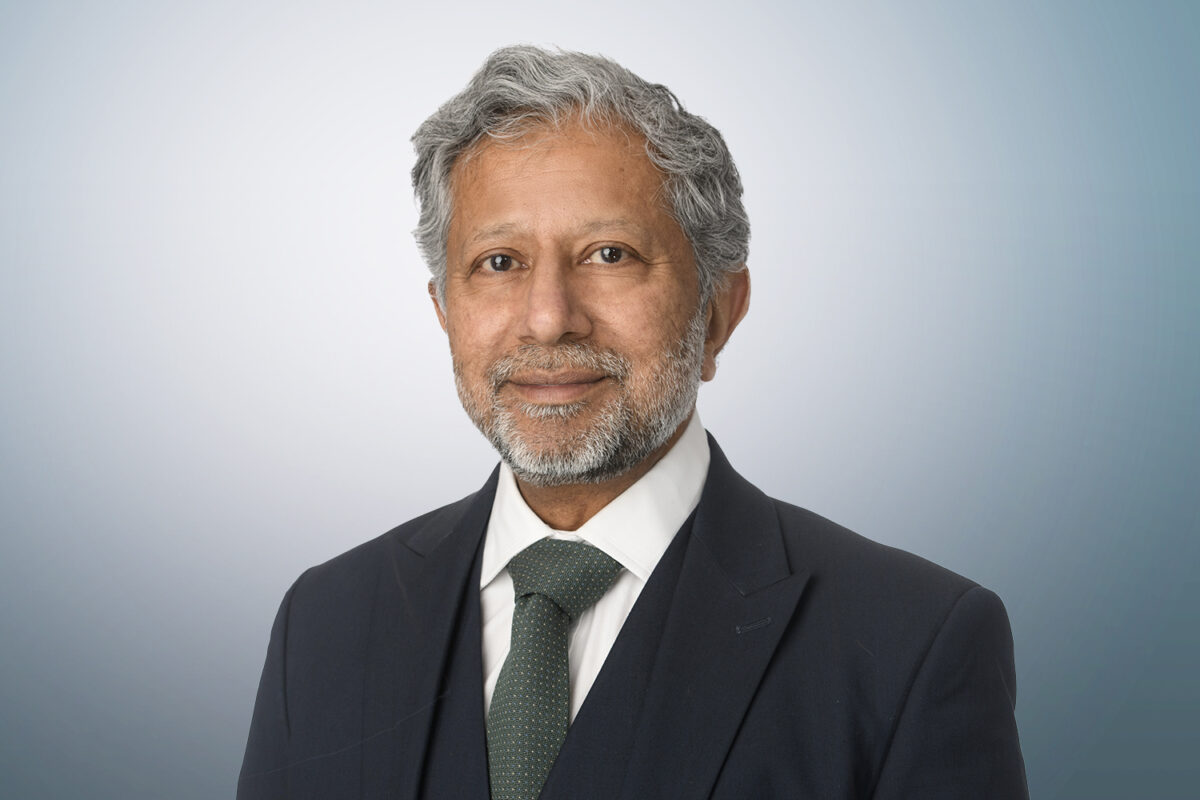
Sailesh Mehta was interviewed on 30th December 2025 by Henry Riley on LBC Radio about Abd el-Fattah.
Alaa Abd el-Fattah is a British‑Egyptian pro‑democracy activist and one of the most prominent voices of the 2011 Egyptian uprising. He spent most of the following decade in and out of prison there. His most recent imprisonment followed a 2019 arrest and conviction for “spreading false news” about torture in Egypt, in proceedings widely condemned by UN experts. Successive UK governments, Conservative and Labour, treated his case as a long‑running consular and human‑rights priority.
In the days after his arrival in Britain, decade‑old tweets from around 2012 resurfaced in which he appeared to describe killing “colonialists and especially Zionists” as heroic, to say he was “racist” against white people, and to suggest police should be killed, posts he has now called “shocking and hurtful” and for which he has issued an apology while saying some were taken out of context.
Conservative leader Kemi Badenoch and Reform UK’s Nigel Farage denounced the tweets as abhorrent and “anti‑British” and have urged the Home Secretary to explore revoking his citizenship and deporting him,
Sailesh explained how s.40 of the British Nationality Act 1981 empowers the Home Secretary to deprive a person of citizenship if satisfied that deprivation is “conducive to the public good”. These words could be widely construed. However, the Courts and Government guidance suggest that the deprivation power was designed for national security, serious terrorism and espionage, not for punishing historic tweets. It is a power that should be lightly used. Offensive or even potentially criminal speech is generally dealt with by criminal law processes, not by banishment.
Sailesh noted that if the Home Secretary’s deprivation powers were applied to all individuals accused of racism, antisemitism, or conduct deemed contrary to “British values,” as some political figures have suggested, such an approach could theoretically encompass a far wider group of people—including, inadvertently, some of those advocating for its use.
Listen to the interview from 00:12:58 https://www.globalplayer.com/catchup/lbc/uk/episodes/BUrrwrAXXhnC966AnJpzGnwkF/
Barristers
Sailesh Mehta
Call: 1986